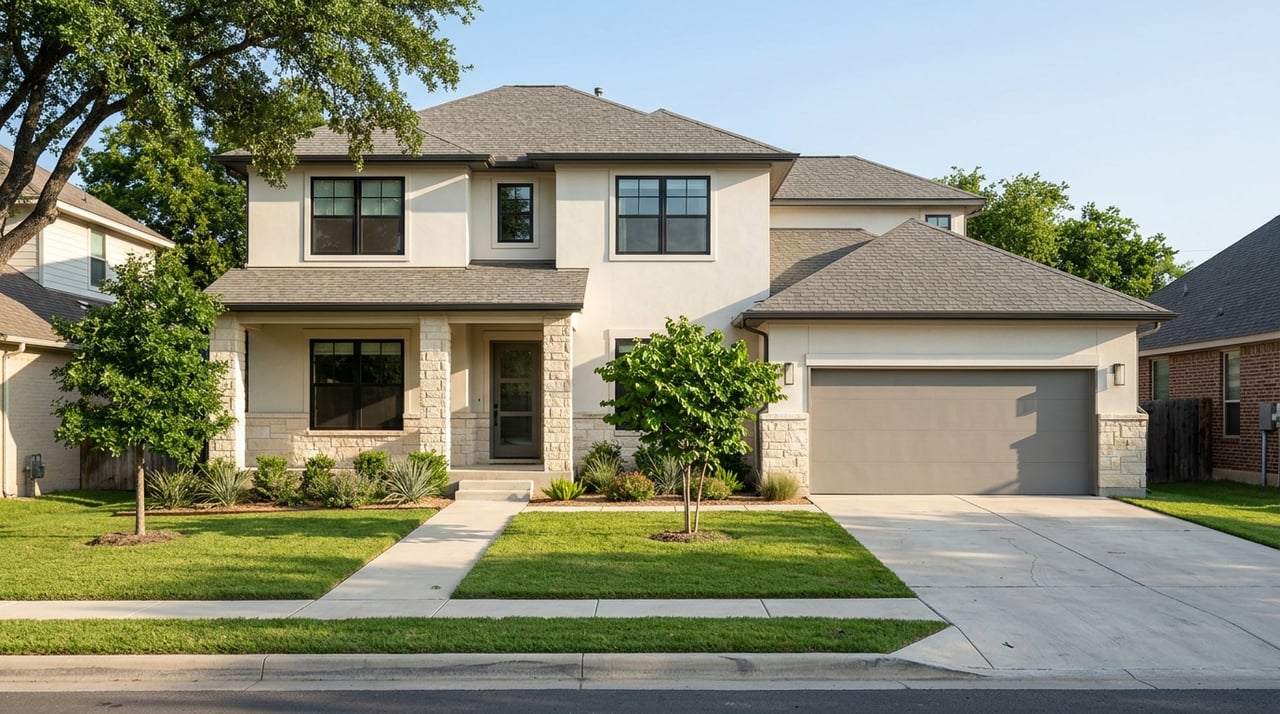
If you want more room to spread out without giving up access to Austin, Cedar Park often lands on the shortlist for a reason. Day-to-day life here tends to feel practical, residential, and well-equipped, with parks, shopping, entertainment, and commuter options built into the routine. If you are weighing a move, this guide will help you understand what Cedar Park suburban living actually looks like and where the everyday conveniences really show up. Let’s dive in.
What Cedar Park Living Feels Like
Cedar Park sits on Austin’s northern border, about 17 miles from downtown Austin, and the city highlights direct access to major highways and Metrorail as part of its appeal. That location gives you a suburban setting with a connection back to the urban core when needed. In real life, that often means you can keep a quieter home base while still reaching major job centers, dining, and events in the region.
The overall rhythm is suburban and mostly car-oriented. The city’s profile, paired with Census and Redfin data, points to a place where you will likely drive for errands, recreation, and many daily needs, even though some mixed-use areas and rail access add flexibility. Cedar Park’s mean travel time to work is 25.5 minutes, and Redfin gives the city a Walk Score of 26, which reinforces that most routines here are built around driving rather than walking everywhere.
Cedar Park also has a strong homeownership profile. Census estimates show a 66.7% owner-occupied housing rate, a median owner-occupied home value of $513,600, and median household income of $129,545. Together, those numbers support Cedar Park’s reputation as a stable suburban market where many people put down roots rather than treat the area as a short stop.
Parks And Outdoor Access
One of Cedar Park’s biggest lifestyle strengths is how easy it is to find green space. According to the city, Cedar Park maintains 46 parks, about 1,000 acres of parkland, and 34 miles of trails. That gives you a wide range of options, whether you want a quick walk after work, a playground stop, or a longer weekend outing.
Lakeline Park is a strong example of how the city invests in everyday outdoor convenience. Phase 1 added more than 100 acres of developed parkland and includes about 3 miles of trails, a lake loop, pavilion, playground, great lawn, kayak launch, and fishing pier. For many buyers, that kind of amenity mix matters because it supports both daily use and more relaxed weekend plans close to home.
Other outdoor improvements continue to expand the city’s options. Bell Park includes 15 acres and roughly 4,000 linear feet of new trail, while the Brushy Creek North Fork Trail adds a roughly 3-mile concrete shared-use trail that connects into the broader regional trail system. If you have a dog, Cedar Bark Park adds a 5-acre fenced dog park within Veterans Memorial Park, which is another practical convenience for everyday life.
Why Outdoor Access Matters In Daily Life
In some suburbs, parks sound nice on paper but do not really shape your routine. In Cedar Park, the depth of parkland and trail access can become part of your normal week. That matters if you are looking for a community where recreation is easy to fit in instead of something that always requires a longer drive.
For buyers comparing suburban options, this is one of Cedar Park’s clearest advantages. You get neighborhood-scale parks, larger destination parks, and trail systems that create more flexibility in how you spend your time close to home.
Shopping, Dining, And Daily Errands
When you picture everyday convenience, Cedar Park does a lot of the basics well. The city’s tourism site identifies The Parke and 1890 Ranch as the two major shopping centers, and both are built around the kind of uses that support regular suburban life, including department stores, restaurants, salons, and fitness centers. That means many errands can stay local instead of turning into a trip across the metro.
Grocery access also supports that convenience factor. Visit Cedar Park highlights Whole Foods Cedar Park and the Texas Farmer’s Market at Bell, giving residents a mix of standard grocery shopping and local market options. If your goal is a suburb where the weekly routine feels easy to manage, that variety helps.
The Bell District Adds A New Layer
The Bell District is one of the most important projects shaping Cedar Park’s next phase. It is being designed as a walkable mixed-use destination with more than 60,000 square feet of retail and neighborhood commercial space, along with residential space, office space, and a 16-acre park. In a city that is still largely drive-dependent, this kind of development adds a more connected, urban-style convenience layer.
That does not mean Cedar Park suddenly functions like a dense walk-everywhere city. It does mean certain parts of the city are becoming more flexible and lifestyle-oriented, especially for buyers who want suburban space with at least some nearby mixed-use convenience.
Entertainment Close To Home
Convenience is not just about errands. It is also about how often you have to leave your area for things to do. Cedar Park has a meaningful advantage here because the H-E-B Center at Cedar Park gives residents a major venue close to home.
The city says the arena seats 8,700 people, hosts more than 130 events each year, and is home to the Texas Stars and Austin Spurs. That gives you access to concerts, sports, and community events without always needing to plan around a downtown Austin trip. For many households, that kind of local entertainment option is a quality-of-life upgrade that is easy to overlook until you use it regularly.
Housing Choices In Cedar Park
Cedar Park’s housing stock helps explain why the city appeals to so many move-up buyers. According to the city’s comprehensive plan, traditional single-family homes are expected to remain the dominant housing type, with townhomes and higher-density housing generally concentrated in more specific mixed-use areas. In simple terms, most of the city is still built around detached suburban homes, with attached options available in select pockets.
That pattern gives you a fairly broad range of choices depending on budget, maintenance preferences, and space needs. If you want a more traditional suburban setup, Cedar Park has plenty of detached housing. If you want a lower-maintenance option, townhomes and condos are available, though they are not the majority of the market.
Current Price Points And Options
Recent Redfin data shows a median Cedar Park sale price of $460,000 in February 2026, with homes selling in about 83 days on average. Redfin also shows Austin’s median sale price at $539,635, which helps position Cedar Park as a somewhat lower-priced suburban alternative to central Austin.
The attached market offers additional entry points. Redfin reports Cedar Park townhouses at a median listing price of $320,000 and condos at a median listing price of $405,000, while single-story homes show a median listing price of $487,000. If you are comparing housing types, that spread can be useful because it shows Cedar Park is not one-size-fits-all.
Lot Sizes Are Not Uniform
Lot size is another area where Cedar Park offers more variety than some buyers expect. Recent listing examples cited in market data range from homes on roughly 0.1753 acres to homes on 0.36 acres, 0.564 acres, and even a Cedar Park Ranchettes property on 3.73 acres. That range shows the city includes standard suburban lots along with some larger-lot and ranchette-style pockets.
For buyers, this matters because your experience of Cedar Park can vary quite a bit depending on where and what you buy. Some homes will feel very much like a typical suburban subdivision. Others offer more land, more privacy, or a different overall pace.
Getting Around Cedar Park
Transportation in Cedar Park is best understood through tradeoffs. You get regional access, but most daily movement is still built around the car. The city points to major highway access and Metrorail connections as key advantages, and that is true, especially if your routine takes you into Austin or elsewhere in the metro.
Transit is available, but it is not spread evenly across the city. CapMetro’s Red Line runs between downtown Austin and Leander with 10 stations, including Lakeline Station, so rail access can be useful if you live or commute near that corridor. Still, Cedar Park’s low Walk Score makes it clear that most people will continue to rely on driving for shopping, parks, and many everyday tasks.
What That Means For Buyers
If you are moving from a denser part of Austin, your routine may feel more car-dependent in Cedar Park. If you are already looking for a suburban setup, that may not feel like a downside at all. Instead, the tradeoff is often more space, easier parking, broader housing choices, and access to major retail and recreation close to home.
This is why neighborhood-level strategy matters. If rail access, shopping proximity, or park access are high on your list, it helps to narrow your search around the parts of Cedar Park that best fit how you actually live week to week.
Who Cedar Park Often Fits Best
Cedar Park tends to make sense for buyers who want a suburban home base with strong everyday infrastructure. That can include people who want detached homes, buyers looking for a little more price flexibility than central Austin, or households who value parks, shopping centers, and entertainment close by.
It can also work well if you want options. You may be looking for a townhome with lower maintenance, a single-story house, or a home with a larger lot. Cedar Park offers enough variety that your search can be shaped around lifestyle and budget rather than one narrow housing type.
A Smart Way To Evaluate Cedar Park
The key is to look past the broad label of "suburban" and focus on how the city fits your real routine. Think about where you shop, how often you commute, whether parks matter in your weekly life, and what kind of home setup you want over the next several years. In Cedar Park, those details can shape your experience more than the citywide averages alone.
If you are considering a move to Cedar Park, I can help you look at the tradeoffs clearly, compare housing options, and build a strategy around how you actually want to live. If you want calm, practical guidance for your next move in Central Texas, connect with Michael Seid.
FAQs
What is everyday life like in Cedar Park, TX?
Everyday life in Cedar Park is generally suburban, practical, and car-oriented, with access to shopping centers, parks, trails, entertainment venues, and commuter routes into the Austin area.
Is Cedar Park walkable for daily errands?
Cedar Park is not highly walkable overall. Redfin gives it a Walk Score of 26, so most residents rely on driving for errands and daily activities, though mixed-use areas like the Bell District add some walkable convenience.
What outdoor amenities does Cedar Park offer residents?
According to the city, Cedar Park has 46 parks, about 1,000 acres of parkland, and 34 miles of trails, plus destinations like Lakeline Park, Bell Park, and Cedar Bark Park.
What types of homes can you find in Cedar Park?
Cedar Park is primarily known for traditional single-family homes, but it also includes townhomes, condos, single-story homes, and some larger-lot or ranchette-style properties in select areas.
Is Cedar Park more affordable than Austin?
Based on Redfin data cited in this article, Cedar Park’s median sale price of $460,000 is lower than Austin’s median sale price of $539,635, though affordability depends on property type, location, and market timing.
Does Cedar Park have public transit access to Austin?
Yes. CapMetro’s Red Line includes Lakeline Station, which provides rail access between downtown Austin and Leander, but transit convenience is strongest near that corridor rather than citywide.


