Selling in Tarrytown is rarely about doing the most. It is usually about doing the right things, in the right order, so buyers notice the home instead of the to-do list. If you want your home to feel polished, well cared for, and true to Tarrytown’s established character, a room-by-room prep plan can help you focus where it counts most. Let’s dive in.
Why prep matters in Tarrytown
Tarrytown is known for mature trees, established streetscapes, and many older homes with strong architectural character. In a setting like this, buyers often respond to homes that feel bright, maintained, and thoughtfully updated rather than overdone.
That is why your prep plan should center on visible, practical improvements. National staging data also supports this approach, with 83% of buyers’ agents saying staging helps buyers picture a property as a future home.
Start with the biggest buyer impressions
Before you go room by room, focus on the spaces buyers tend to notice first. According to the 2025 staging report, the living room, primary bedroom, and kitchen are the most important rooms to stage.
That does not mean every room needs a makeover. It means your time and budget should go first to the areas that shape online photos, showings, and early emotional response.
Exterior and entry checklist
Your exterior sets the tone before a buyer ever walks inside. In Tarrytown, where trees and established lots are part of the appeal, a neat and open front view can make a strong first impression.
NAR’s seller guidance says curb appeal, landscaping, and front-entrance updates can improve buyer response. It also notes that 92% of REALTORS recommend improving curb appeal before listing.
What to do outside
Pressure wash the facade, porch, walkways, and driveway
Trim tree limbs and shrubs so the front of the house feels open
Refresh the front door, hardware, house numbers, doorbell, and porch lighting
Repair cracked walkways, loose steps, peeling trim, and visible gutter issues
Keep the yard neat and polished rather than overly styled
What buyers notice most
Buyers often pick up on signs of deferred maintenance right away. Loose railings, overgrown landscaping, and worn paint can suggest there may be bigger issues inside, even when that is not the case.
A clean, simple exterior does a better job than a flashy one. In Tarrytown, the goal is to support the home’s character and make it feel cared for.
Living room checklist
The living room is one of the most important spaces to prepare because it carries so much weight in photos and showings. Buyers want to understand how the room lives, how much natural light it gets, and whether it feels easy to use.
A crowded room can make even a large space feel smaller. Clear circulation and balanced light usually matter more than expensive decor.
How to prep the living room
Remove excess furniture so the room feels larger
Hide cords, toys, hobby items, and pet supplies
Replace burned-out light bulbs
Match bulb color temperature across lamps and fixtures
Clean windows and brighten window coverings
Use simple, neutral accessories that do not compete with the architecture
Keep the focus on the room
If your living room has built-ins, original details, or strong windows, let those features lead. The best staging choice is often subtraction, not addition.
Dining room checklist
The dining room should feel easy to understand. Whether it is formal, casual, or part of an open layout, buyers should be able to see its purpose right away.
How to prep the dining room
Remove oversized or extra furniture
Clear surfaces except for one simple centerpiece
Clean light fixtures and replace bulbs as needed
Make sure chairs fit comfortably around the table
Use neutral art and decor
Aim for visual flow
In many homes, the dining room connects directly to the living room or kitchen. Keep materials, lighting, and styling consistent so the spaces feel calm and connected.
Kitchen checklist
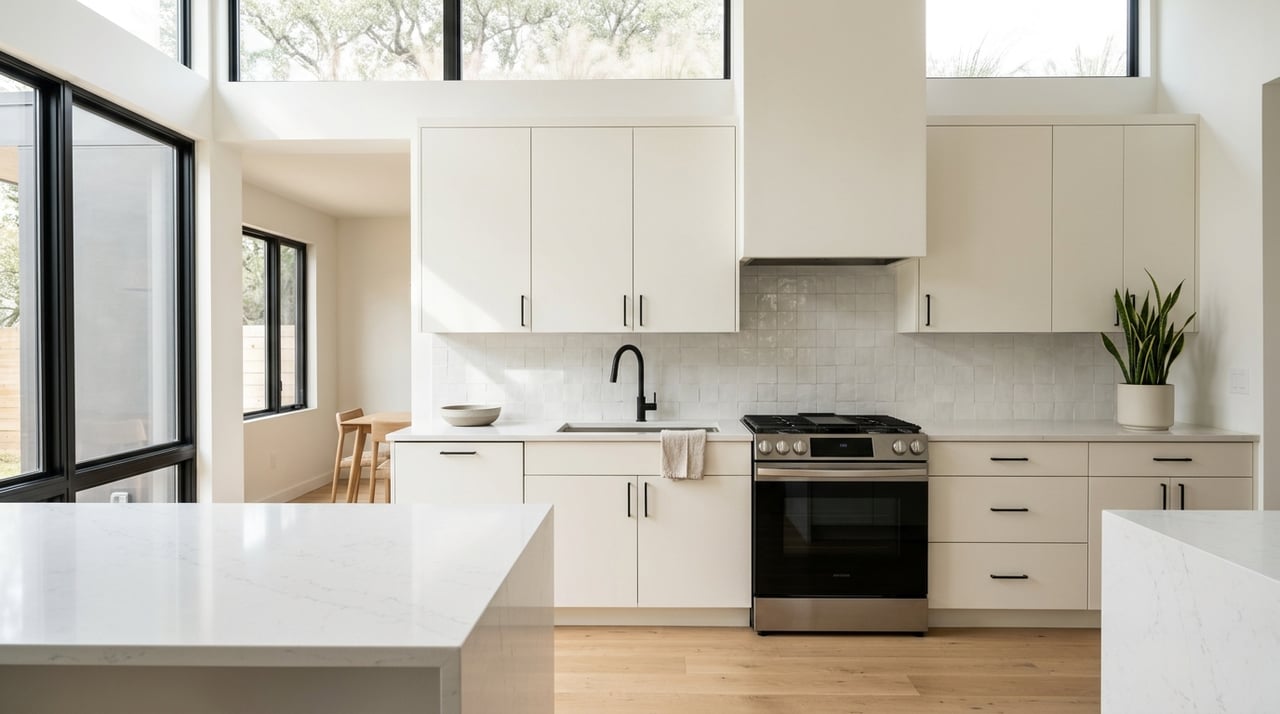
The kitchen is one of the hardest rooms for buyers to overlook. The good news is that sellers often benefit more from cosmetic and functional refreshes than from a major custom remodel.
NAR’s 2025 remodeling data points toward modest, visible improvements. Painting is one of the most commonly recommended pre-sale updates, while smaller practical improvements often make more sense than taste-driven renovations.
How to prep the kitchen
Deep clean the range hood, backsplash, cabinets, and grout
Clear counters so workspace and storage stand out
Fix leaks, sticky drawers, sagging doors, and missing hardware
Replace mismatched or burned-out bulbs
Update cabinet pulls or faucet finishes only if they fit the rest of the room
If cabinets need paint, choose a simple neutral finish
What to avoid in the kitchen
Avoid trend-heavy colors or expensive upgrades that may not match what buyers want. A clean, functional kitchen with good light and simple finishes usually performs better than a bold remodel done just before listing.
Primary bedroom checklist
The primary bedroom should feel restful and spacious. Since it is one of the top rooms buyers care about, this is a place where a calm, uncluttered setup can pay off.
How to prep the primary bedroom
Remove extra furniture that tightens the room
Use neutral bedding and minimal decor
Clear nightstands and dressers
Hide laundry, cords, and personal items
Clean windows and make sure light layers open easily
Replace bulbs and keep lighting soft but bright enough for photos
Create a calm impression
You do not need a hotel-style setup. You need a room that feels clean, comfortable, and easy for buyers to picture as their own.
Bathroom checklist
Bathrooms should read as clean, dry, and easy to maintain. Clutter, odors, and worn surfaces can quickly distract buyers.
How to prep the bathroom
Hide toiletries, medication, trash cans, and personal items
Re-caulk tubs and showers where needed
Regrout if grout lines look stained or broken
Replace scratched mirrors, worn shower curtains, and weak vanity lighting
Check for leaks and confirm exhaust fans work properly
Use fresh white towels and a restrained color palette
Focus on freshness
Even small bathroom updates can change the feel of the space. Buyers want to see a room that looks clean and dry, not one that suggests maintenance issues.
Outdoor living checklist
Outdoor space matters in Central Austin, especially when it feels usable and intentional. Buyers respond well to patios, decks, and yards that show a clear purpose without feeling crowded.
How to prep outdoor areas
Stage a patio or deck with simple seating
Power wash concrete or stone surfaces
Clean outdoor furniture
Tidy up garden tools, hoses, and maintenance items
Keep pool or outdoor equipment organized and out of focus
Keep the setup simple
A few well-placed pieces usually work better than trying to fill the space. You want buyers to imagine how they would use the area, not feel like they are walking through someone else’s setup.
Garage, storage, and laundry checklist
These spaces may not drive the first emotional reaction, but they can absolutely shape the overall impression. Messy utility areas can make a home feel short on storage, even when that is not true.
How to prep utility spaces
Organize shelves and remove overflow clutter
Use bins or baskets for loose items
Keep the garage looking functional, not packed
Wipe down laundry machines and utility sinks
Store cleaning supplies neatly and out of sight when possible
Show function, not overflow
Buyers do not expect perfection in these rooms. They do want to see that the home has practical storage and that these spaces feel manageable.
Clean for photos and showings
Photos play a major role in attracting buyers, and staging works best when everything reads clearly on camera. NAR’s prepare-to-sell guidance recommends cleaning windows, carpets, lighting fixtures, and walls, along with storing away clutter.
Before photography and every showing, focus on the details that translate quickly:
Clean windows and glass surfaces
Vacuum and spot-clean floors and rugs
Dust light fixtures and ceiling fans
Wipe walls and baseboards where marks show
Remove daily clutter from counters, vanities, and tables
Watch for historic review issues
Some Tarrytown homes may be historic or locally designated. If that applies to your property, Austin’s Historic Preservation Office says exterior alterations, additions, permanent site work, signs, and some new construction can require historic review.
Before making exterior changes, confirm whether the property has a designation status. That step can help you avoid delays and keep your prep plan aligned with local requirements.
Your practical finish line
The goal is not to make your home look brand new. The goal is to make it feel clean, bright, maintained, and thoughtfully prepared at the points buyers notice first.
In Tarrytown, that usually means a polished exterior, calm main living spaces, a clean kitchen, fresh bathrooms, and strong listing photos. When you follow that order, you can improve presentation without taking on unnecessary projects.
If you want a prep plan that is calm, strategic, and tied to likely buyer response, Michael Seid can help you prioritize the updates that matter most before you list.
FAQs
What rooms matter most when preparing a Tarrytown home for sale?
The living room, primary bedroom, and kitchen usually deserve the most attention because staging data shows buyers care most about those spaces.
What exterior updates help most before listing a home in Tarrytown?
Focus on curb appeal basics like pressure washing, trimming landscaping, refreshing the front door area, and repairing visible maintenance issues.
Should you remodel the kitchen before selling a Tarrytown home?
Usually, a clean and functional kitchen with small cosmetic updates makes more sense than a major remodel unless the room clearly hurts the overall listing.
What should you remove before showings in a Tarrytown listing?
Remove clutter, personal items, pet supplies, excess furniture, countertop items, and anything that distracts from space, light, and flow.
Do historic homes in Tarrytown need special review before exterior work?
Yes, if the home is historic or locally designated, some exterior changes may require review through Austin’s Historic Preservation Office.


